ERC-funded 'UpRegulate' project
Harnessing ubiquitin signalling to boost plant protection
Dynamic regulation of gene expression is vital for all organisms and enables them to respond to the ever-changing environment. In response to pathogen attack, plant cells display dramatic reprogramming of the transcriptome. In this context, the EU-funded UbRegulate project will explore the role of the immunising hormone salicylic acid (SA) in this process. SA employs the small post-translational modifier ubiquitin to establish durable immunity. It also induces dynamic modification of regulatory proteins with ubiquitin chains of diverse linkage types, generating the potential to control their functions and activities. The project aims to reveal how SA-induced ubiquitin signalling engages the transcriptional machinery and explore how this may be exploited by agrichemical biology.
New preprint:
Proteasome accessory ligases govern stabilities of other ubiquitin ligases
10 October 2026
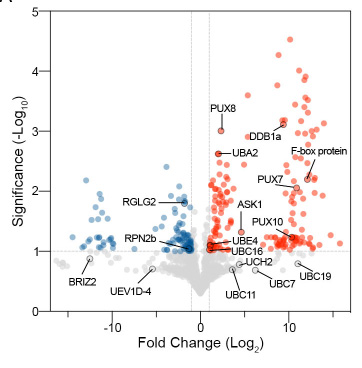 The ubiquitin-proteasome system maintains proteome homeostasis in eukaryotes. Proteasome-associate HECT-type ligases play important roles in processing and degrading substrates delivered to the proteasome by pathway-specific E3 ligases. Our ERC-funded 'UbRegulate' project discovered that in plants, HECT-type ligases not only promote the degradation of substrates, they also facilitated the autoubiquitination of immune-suppressive E3 ligases, resulting in their degradation and onset of immunity. Thus proteasomes and their HECT-type ligases unexpectedly amplify their regulatory reach over the proteome by governing the stabilities of both E3 ligases and their substrates, thereby regulating immune activation.
New preprint:
Ubiquitin integrates plant immune receptor signalling
7 February 2026
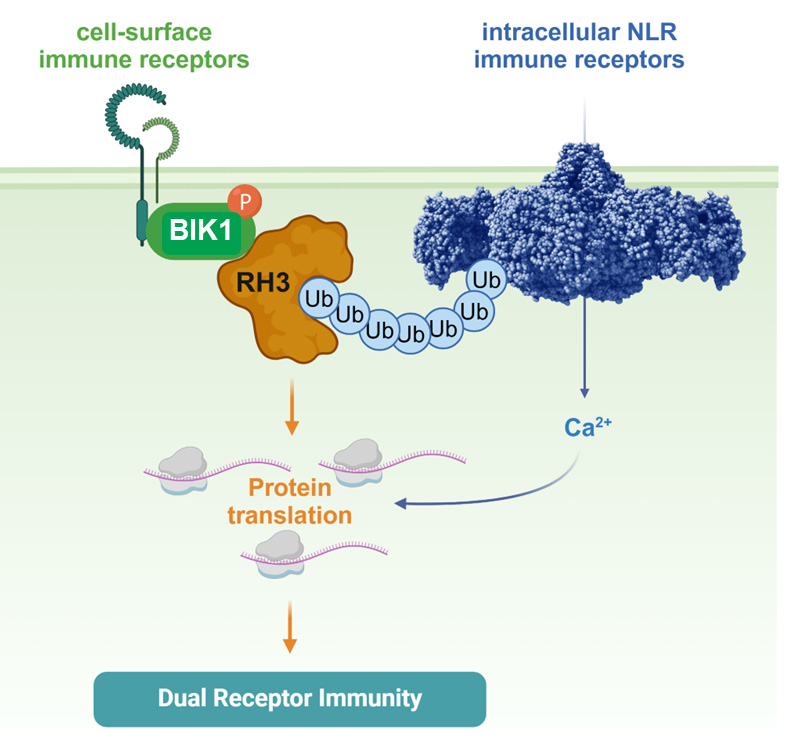
Plants are continuously under attack by pathogens. To defend themselves, plants use cell-surface and intracellular receptors that collaborate to detect pathogens. Our ERC-funded 'UbRegulate' project discovered that a critical ubiquitin recognition event recruits both receptor types into an unexpected dual receptor complex that boost the translation of defence proteins and establishes robust plant immunity. Our findings open up new strategies for engineering disease resistance in crops.
Research group awarded ERC Proof-of-Concept grant
15 July 2025
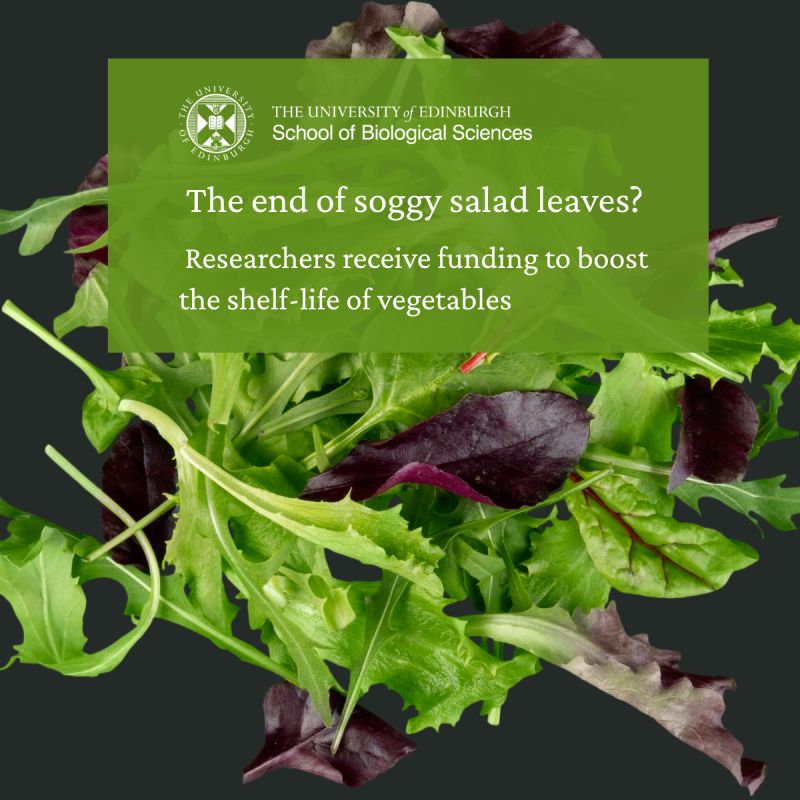 A project led by Professor Steven Spoel and Dr Lindsay Williams has been awarded funding by the European Research Council to improve the longevity of some of world’s most popular vegetables. The European Research Council (ERC) Proof of Concept grants, worth €150,000 each, are awarded to explore the commercial potential of promising early research. Steven and Lindsay’s project ‘Post-Harvest Boost’ aims to extend the shelf-life of popular vegetables from the Brassica family - which includes broccoli, cabbage, rocket, cauliflower and kale. If the project is successful it could result in large financial gains, improved food security and drastically reduce food waste for growers, retailers and consumers.
New preprint:
Mobile immune signals potentiate each other
18 April 2025
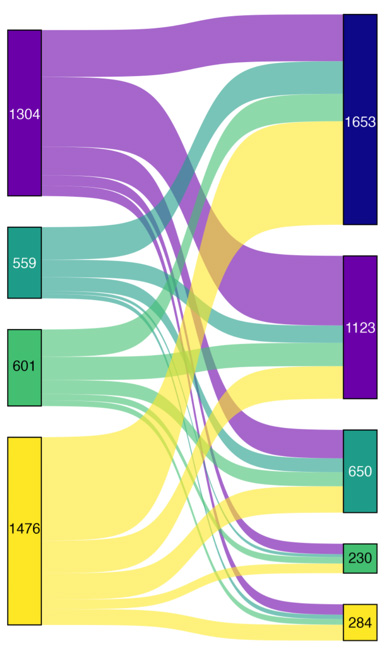 Systemic acquired resistance is a broad-spectrum plant immune response that provides protection against various pathogens. Activation of systemic acquired resistance requires mobile immune signals as well as the indispensable immune hormone salicylic acid . Nonetheless, it remains unknown how mobile signals integrate with the SA signal to produce functional immunisation responses.
So how does immunisation establish durable disease resistance in plants? Our ERC-funded 'UbRegulate' project discovered that mobile immune signals released upon immunisation boost the effectiveness of the immune hormone salicylic acid by ten times. This results in much higher immune gene expression and enhanced disease resistance against pathogenic infection.
Steven Spoel elected Fellow of the Royal Society of Edinburgh
Professor Steven Spoel has been named a Fellow of the Royal Society of Edinburgh within the 2023 cohort. The Royal Society of Edinburgh Fellowship comprises some of the greatest thinkers, researchers and practitioners in their field working in or with organisations in Scotland today. A total of 91 fellows were elected to join the current roll of around 1800 fellows representing the sciences, arts, business, sports, civil society and academia from across Scotland and beyond.
Ubiquitin ligase relays that terminate at the proteasome
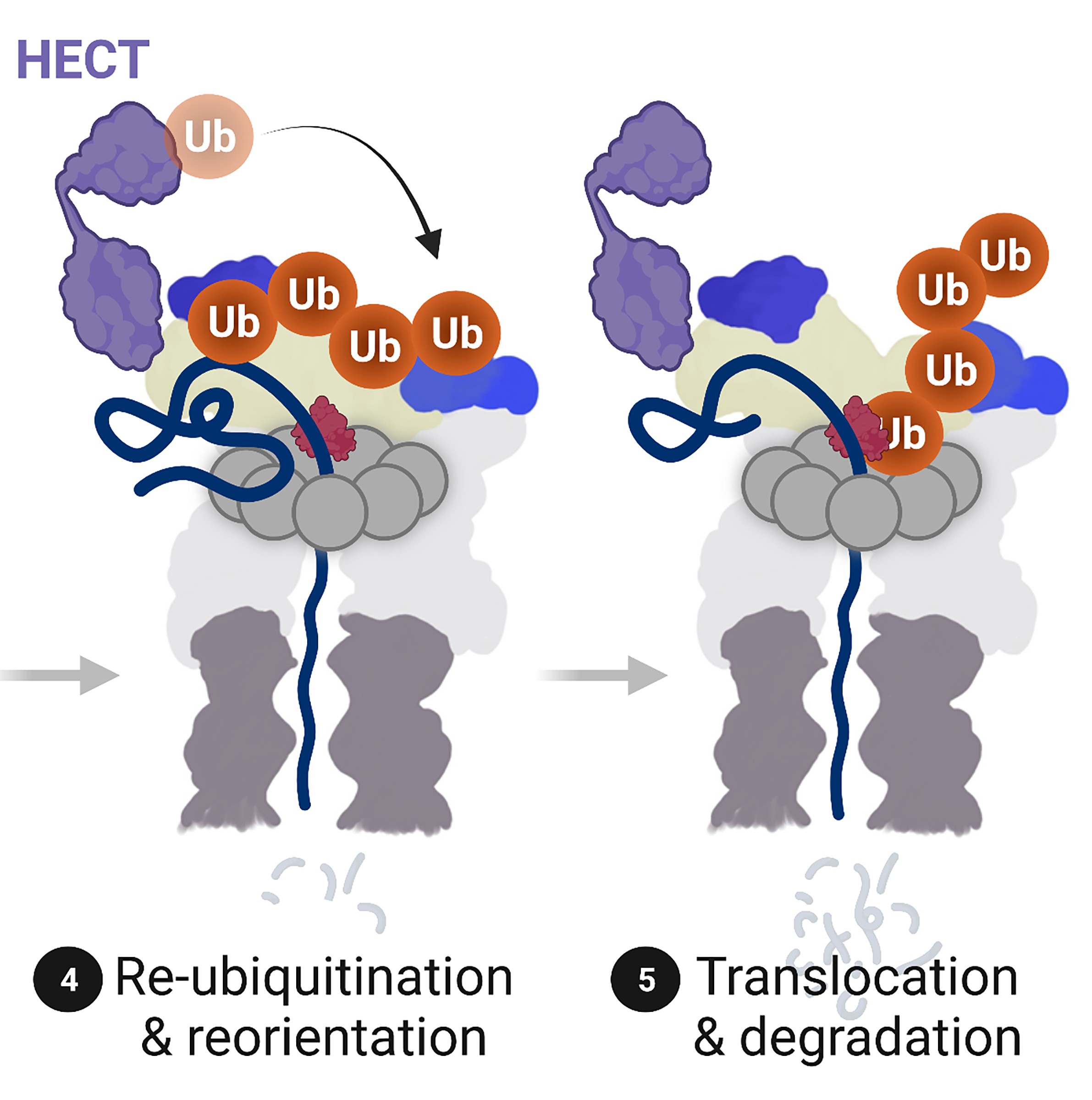
The stability of gene activators is regulated by the proteasome, a cellular trash bin for proteins. This ensures cells express appropriate levels of each gene. We discovered that gene activators are sequentially modified with chains of the small protein ubiquitin added by different ubiquitin ligases. Such ubiquitin ligase relays not only target gene activators to the proteasome, they also prevent them from stalling at the proteasome, ensuring high degradation efficiencies.
Spoel & Tada labs solve plant hormone interaction riddle
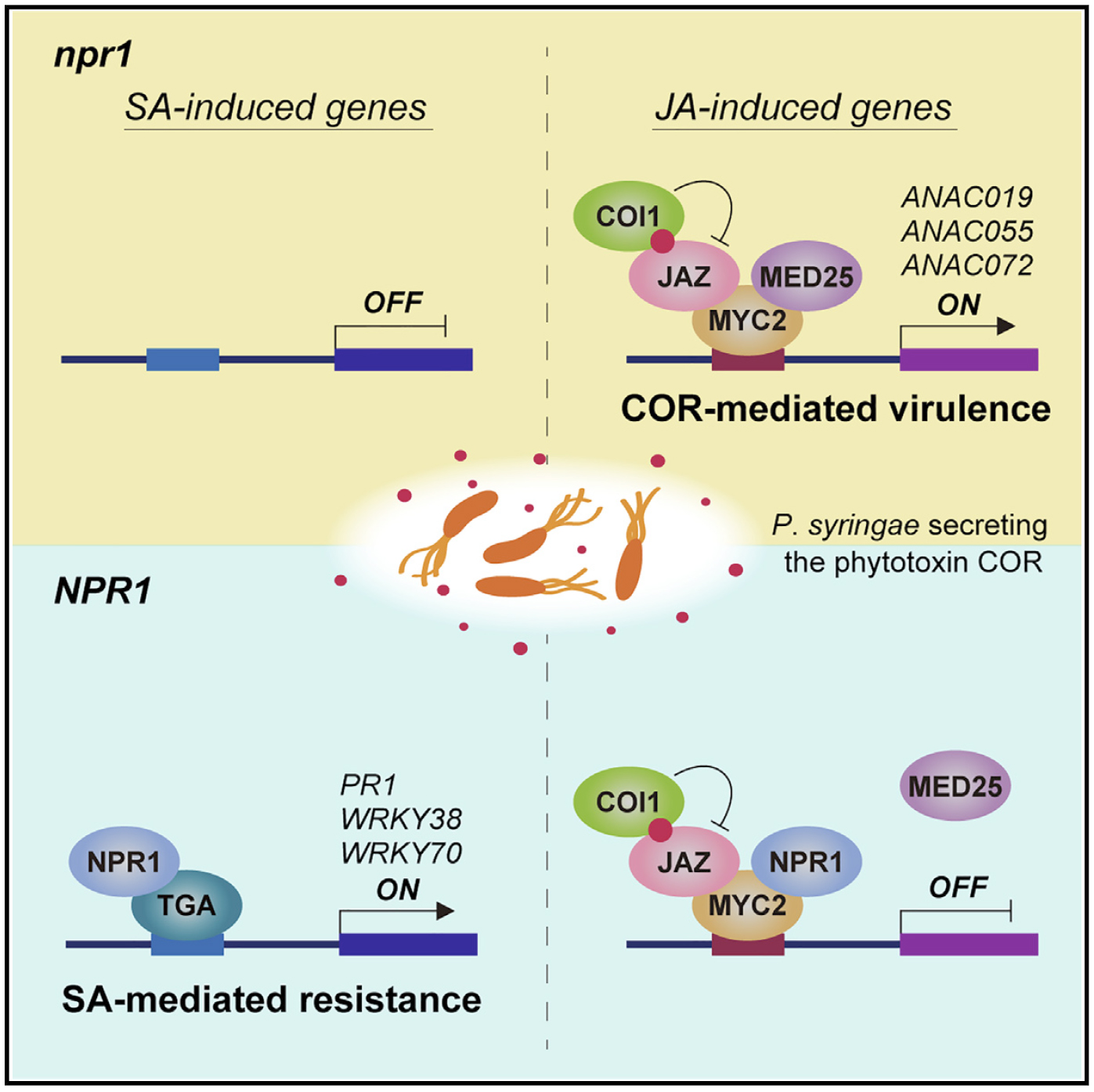
More than 18 years after identifying the NPR1 gene regulator as a mediator of cross talk between the plant immune hormones salicylate and jasmonate, the Spoel and Tada research groups partnered up to reveal the molecular mechanism. These findings finally elucidate how plants suppress the virulence effects of the phytotoxin coronatine secreted by the devastating bacterial leaf pathogen Pseudomonas syringae.