The ubiquitin code of plant immunity
Plants are continuously attacked by diverse pathogens and consequently evolved sophisticated receptor-mediated immune responses that provide durable disease resistance. Pathogen detection results in reprogramming of the proteome and transcriptome to prioritise immunity over cellular household functions. Immune reprogramming requires the post-translational modifier, ubiquitin, which is attached to thousands of target proteins and modifies their signalling properties. The well-established proteolytic role of ubiquitin in targeting proteins for proteasomal degradation has been a focal point of attention in plant immune research and indeed in plant science in general. Nonetheless, ubiquitin has numerous non-proteolytic signalling functions that are largely unexplored in plant cells and are unexploited in bioengineering.
Our pioneering work revealed that activation of plant immunity requires the en-masse attachment of ubiquitin chains of structurally diverse topologies to cellular proteins, including immune receptors and transcription activators. We are deciphering the topology-specific language of the ubiquitin code and discovering immune readers of the complex ubiquitin code. We aim to not only reveal cellular ubiquitin signalling during plant immunity in unprecedented detail, but also harness this knowledge for novel plant trait development.
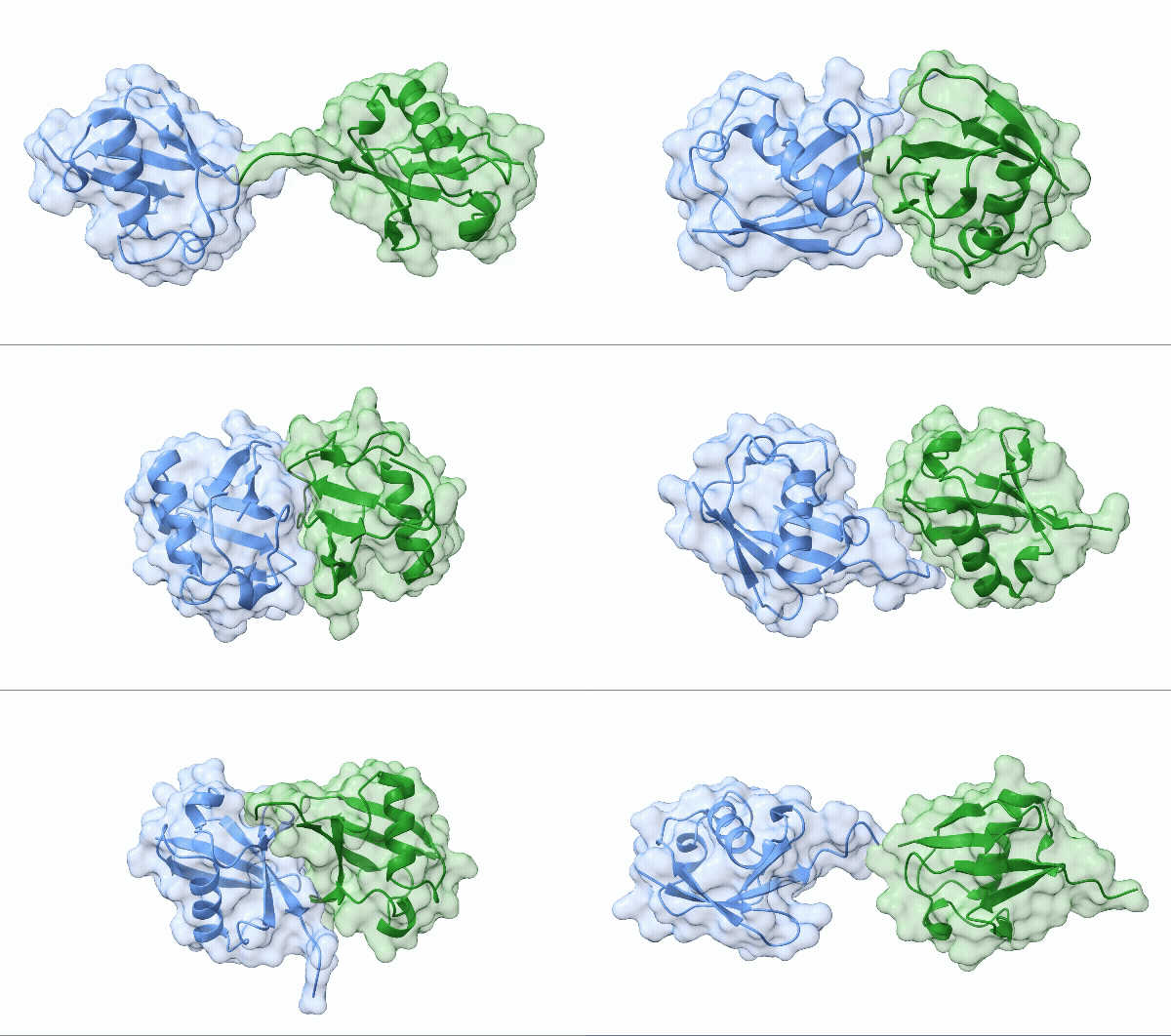
Structures of diverse di-ubiquitin chain topologies